Discovering the Art of Flower-Shaped Dessert Cups
Intro
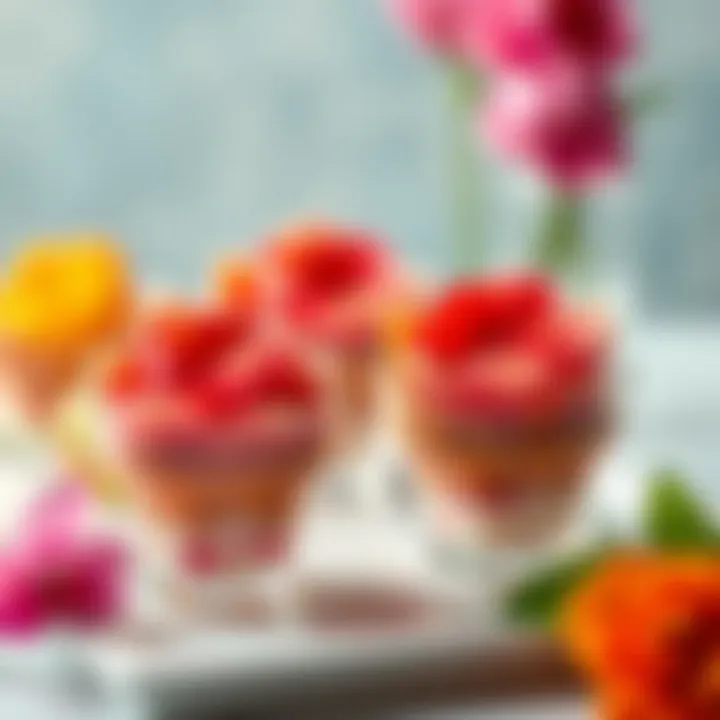
Flower-shaped dessert cups are more than just vessels; they are an artistic expression that marries form with function. As dessert lovers increasingly seek to elevate their culinary creations, these delightful cups have found a permanent place on buffet tables and in fine dining settings alike. Their visual appeal transcends generations, making them a cherished component in various culinary traditions worldwide.
While a simple bowl might serve its purpose, flower-shaped cups add a layer of sophistication and beauty that can transform any dessert into a banquet showcase. The art of crafting these flower-shaped vessels is steeped in tradition yet remains adaptable to modern design trends.
Here, we'll dive into the historical context, diverse designs, and practical applications of these captivating elements, equipping both hobbyists and professional bakers with essential insights. With the tools in hand, you can confidently explore the world of flower-shaped dessert cups, whether for personal projects or to impress clientele with stunning dessert presentations.
Prologue to Flower-Shaped Dessert Cups
Flower-shaped dessert cups are more than just eye-catching vessels for sweet treats; they symbolize a blend of art and culinary craftsmanship. These delightful containers capture not only the aesthetic wonder of nature but also elevate the dining experience in all its forms. In expansive culinary contexts ranging from personal celebrations to upscale restaurant settings, these cups serve multiple purposes that deserve closer examination.
The appeal of flower-shaped dessert cups lies in their unique structure. Shaped to mimic the stunning designs of flowers, they create a visual feast that entices diners long before they even take their first bite. The intricate designs invite creativity, making them an ideal choice for a variety of desserts such as mousses, mini cakes, or even vibrant fruit salads. Beyond mere decoration, they facilitate the presentation of desserts in a way that is both practical and engaging.
In this guide, we delve into the myriad aspects of flower-shaped dessert cups, seeking to uncover their historical roots, design variations, and practical uses in culinary settings today. These cups are central to a conversation about food presentation, where aesthetics can enhance flavor perception and influence the overall enjoyment of a meal. In essence, they challenge bakers and culinary artists to think beyond traditional serving methods, pushing the envelope of creativity in food design.
As we explore the benefits of incorporating flower-shaped dessert cups into our culinary repertoire, it's crucial to note their multifunctionality. They cater to both form and function; being easy to handle, these cups also minimize the mess often associated with dessert servings.
"Food is art, and each presentation tells a story - flower-shaped cups enhance that narrative."
This section sets the stage for a comprehensive exploration that promises to be engaging for food enthusiasts, influencers, and culinary stylists alike. In embracing these delightful vessels, one can transform a simple dessert into an exquisite experience that is both memorable and visually striking.
In the sections that follow, we will dissect the historical context behind these artistic creations and unpack the various design variations available, providing you with insights that aim to inspire your next culinary endeavor.
Historical Context
Understanding the historical roots of flower-shaped dessert cups is essential for appreciating their aesthetics and culinary significance. These charming containers do not merely serve their basic purpose; they embody an evolution of culture, taste, and artistry that has surprised and delighted chefs and home cooks alike for centuries. The journey of such decorative pieces is marked by innovation and adaptation, making it essential to explore their origins and the cultural exchanges that shaped them.
Origins of Decorative Dessert Presentation
The tradition of presenting desserts in a visually appealing manner can be traced back to ancient civilizations. Historical records reveal that the early Egyptians, for instance, would serve sweet treats on beautifully decorated platters, often using natural components like petals and leaves. These included intricate designs that showcased not only their culinary prowess but also their appreciation for beauty in everyday life.
As time passed, the idea of decorative presentation spread throughout Europe and Asia, becoming a significant part of festive occasions and banquets. In the 17th century, the French took this practice to new heights with their elaborate displays. Pastry chefs created magnificent centerpieces, using molds that mimicked flowers, shells, and other natural forms. This period marked a shift in how desserts were perceived—not merely as food, but as an integral part of aesthetic pleasure. In this way, flower-shaped dessert cups stem from a long-standing tradition of combining culinary skills with artistic expression.
Evolution Across Cultures
The evolution of flower-shaped dessert cups is a testament to the cultural influences that enrich culinary practices. In Asian cultures, particularly Japan, the concept of aesthetics surrounding food presentation reaches remarkable heights. The practice of serving sweets, known as wagashi, showcases seasonal changes and utilizes flowers in both design and flavor. The delicate balance of color and texture in these desserts reflects a deeper philosophy of nature and harmony.
Conversely, in the United States and other Western nations, the use of floral motifs emerged during the Victorian era. The period saw an increase in garden-themed events, which brought forward the idea of using floral cups to accentuate desserts served at parties. These cups became synonymous with elegance and sophistication, often associated with special occasions, weddings, and upscale gatherings.
Design Variations
When it comes to crafting desserts that truly wow, the design of the vessel can make all the difference. Flower-shaped dessert cups aren’t just pretty; they offer a unique way to present confections, enhancing the overall aesthetic of the meal. The consideration of design variations plays a pivotal role in elevating dessert experience, inviting both culinary creativity and individual expression.
Material Choices in Crafting
Glass
Glass dessert cups bring an air of elegance that is hard to beat. They allow for a clear view of the colorful layers inside, allowing the dessert to shine. One of glass's key characteristics is its ability to refract light, creating a sparkling effect that enhances the visual appeal of the dessert. This translucency makes glass a popular choice among pastry chefs looking to showcase masterpieces in all their glory.
However, glass is not without its downsides. It can be fragile, posing a risk for clumsier situations. If you drop a glass cup, it’s often a one-way trip to the trash. Yet, for those willing to handle them with care, glass cups provide a unique touch that can be worth the risk.
Ceramic
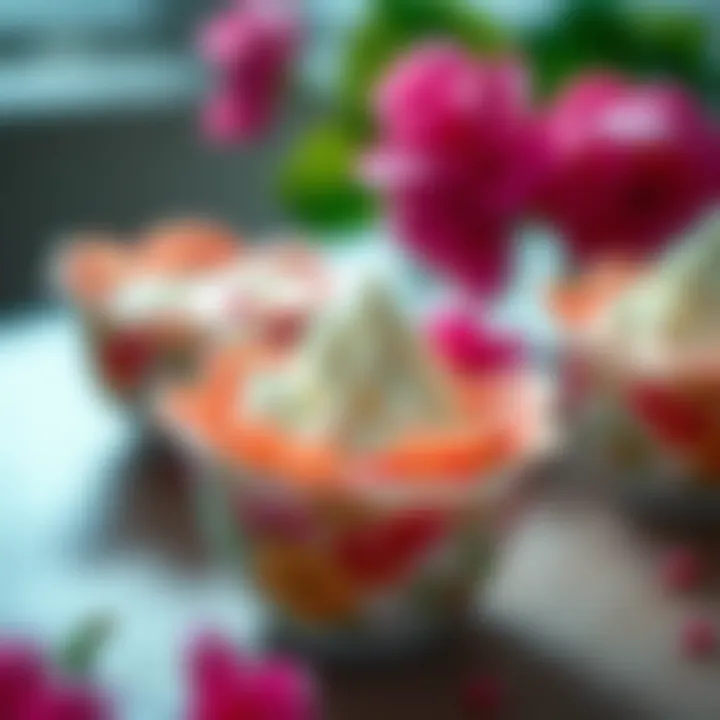
Ceramic cups offer a robust alternative to glass. They come in a myriad of designs, from classic hand-painted floral motifs to sleek, modern finishes. Durability is a key advantage of ceramic; these cups can withstand heat, making them versatile for various dessert types. Furthermore, ceramic can retain temperature well, keeping desserts chilled longer, enhancing the enjoyment of items such as creamy mousses or chilled fruit compotes.
On the flip side, ceramic tends to be heavier than other materials, which might not appeal to everyone. Additionally, if dropped, ceramics can chip or crack, which could affect their aesthetic appeal. Nonetheless, they offer an inviting, artisanal feel to dessert presentations.
Plastic
Plastic dessert cups have gained popularity due to their affordability and versatility, especially in catering situations. They can mimic the look of higher-end materials, at a fraction of the cost. Lightweight and shatterproof, these cups are practical for outdoor events or parties where accidents could happen.
A unique feature of plastic is the range of styles available, allowing for playful or elegant presentations depending on the occasion. The downside, however, lies in sustainability. Single-use plastic poses environmental challenges, which might discourage some from relying on them excessively. Yet, when used thoughtfully, plastic cups can serve a purpose without breaking the bank.
Traditional vs. Modern Designs
In the vast world of dessert cups, how one designs their flower-shaped cup can reflect personal style and trends. Traditional designs often embody classic floral patterns, intricate details, and ornate finishes. They evoke nostalgia, perfect for events such as tea parties or family gatherings where a touch of classic charm is essential.
Modern designs, in contrast, lean towards minimalism. Stripped-down forms and muted color palettes align with contemporary decor styles. Such designs often focus on geometric shapes or unique interpretations of flowers, bringing a fresh aesthetic to a well-loved idea.
The choice between traditional and modern designs depends heavily on the setting and the desired impression. Some individuals may prefer a blend of both styles, which can result in a striking dessert display, merging the comfort of tradition with the excitement of modernity.
Overall, the design variations of flower-shaped dessert cups can significantly impact the visual allure of desserts, making them not just a treat for the palate but also for the eyes.
Culinary Uses
When it comes to flower-shaped dessert cups, their culinary applications sprout like daisies in springtime. These playful vessels are not just about aesthetics; they play a vital role in enhancing the overall dessert experience. The shape and design of these cups can either elevate or detract from the presentation of the dessert. As a medium of culinary creativity, they allow bakers and chefs to showcase their skills and imagination. They provide an opportunity to experiment with flavors, textures, and colors—all essential aspects of an engaging dessert.
Ideal Desserts for Flower-Shaped Cups
Mini Cakes
Mini cakes served in flower-shaped dessert cups shine with their charming ability to capture attention. One of the standout features is their cute portioning; they fit perfectly into these cups, allowing for delightful individual servings. These cakes can mimic the organic shapes of flowers, enhancing their presentation. Moreover, their bite-size nature makes them popular for gatherings, as guests can enjoy them without feeling heavy. While mini cakes offer a visual spectacle, it's crucial to balance their flavors properly; a too-sweet cake can overwhelm the delicate cup, losing that lovely harmony the design aims to create.
Mousses
Mousses are light, airy, and uniquely suited for flower-shaped dessert cups. Their smooth, velvety texture melds seamlessly with the deeper curves of these cups, providing an inviting visual experience. Generally, mousses are made with rich ingredients like chocolate, fruits, or even flavored creams. Because they are served chilled, they contrast beautifully with the warm ambiance of any gathering. However, it does require precise layering to maintain their structure in the cup. Too many layers can cause a breaking point, leading to a less attractive presentation. Yet, done right, a lovely mousse layered with colorful elements can look spectacular.
Fruit Salads
Fruit salads offer a fresh and vibrant option for those flower-shaped cups. The possibilities are endless when it comes to combinations of fruits, inviting creativity and personal touch. High in nutrients and refreshingly delicious, they fit seamlessly into any festive occasion or casual get-together. The natural colors of fruits can be arranged artfully, creating a visual feast that resonates well with the natural inspiration behind the flower design. However, as much as they stand out, they can become limp if not prepared properly, losing their zest and appeal rather quickly. Therefore, ensuring ripe but firm fruits will help retain the salad's attractive appearance for longer.
Techniques for Layering and Decoration
Mastering the art of layering and decoration is crucial when presenting desserts in flower-shaped cups. This technique is not just about aesthetics but also about harmonizing flavors. For instance, contrasting colors can make each layer pop, enhancing the visual appeal. Vertical layering can also be a game-changer, providing a sense of height in the cup, making it look even more inviting. Using piping bags to apply different layers can create an artistic edge to your creations, turning a simple dessert into a culinary masterpiece.
In summary, flower-shaped dessert cups offer a unique approach for presenting various culinary delights. Whether it's mini cakes, mousses, or fruit salads, each dessert utilizes the cup's beauty while also appealing to the palate. Proper techniques in layering and decoration take these desserts from merely good to positively stunning.
Practical Considerations
When we think about flower-shaped dessert cups, we often focus on their beauty and elegance. However, the practical aspects of using these delightful containers are equally important. Making sure a dessert not only looks good but also functions well for serving is crucial. Size, preparation methods, and serving tips can all play a key role in how well the dessert turns out and how it is perceived by the audience.
Choosing the Right Size
Size matters when it comes to dessert cups. An ideal cup should neither be too large nor too small. A larger cup can result in excessive portions, potentially overwhelming eaters who are just looking for a sweet bite after dinner. On the other hand, a small cup may leave guests wanting more, which could spoil the overall experience.
When selecting a size, consider the type of dessert you’ll be serving. Delicate items, like mousses or custards, can often do well in smaller cups, allowing for multiple flavors to be sampled. However, for more substantial desserts like mini cakes or layered treats, opt for something more spacious. A simple rule of thumb could be to have enough volume to accommodate layering while also allowing some eye-catching space for garnishes.
"A flower-shaped cup shouldn't just be beautiful; it should be the perfect vessel for deliciousness."
Preparing for Serving
Chilling Desserts
Chilling desserts before serving is a step that should not be overlooked. This technique ensures that the dessert reaches the table at the right temperature, enhancing not only the flavor but also the enjoyment. A well-chilled dessert retains its structure, helping layers stay intact and maintaining an appealing texture.
One noteworthy characteristic of chilling desserts is how it allows flavors to meld together. Imagine a luscious chocolate mousse that’s been properly chilled; each spoonful bursts with flavor. Though chilling adds time, the payoff is there. However, too much time in the fridge can result in a less-than-favorable texture, depending on the dessert. Intervals of 2 to 4 hours are typically ideal for most chilled delights.
Creating Garnishes
Creating garnishes is where the fun really kicks in. Garnishing not only adds visual appeal but also enhances the flavor profile. A sprinkle of crushed nuts or a dollop of whipped cream can transform a simple dessert into something show-stopping. This aspect of presentation is crucial because it invites the diner to engage with the dessert on multiple levels – visually and taste-wise.
A bonus of creating garnishes is versatility. You can be as creative as you'd like, using seasonal fruits or edible flowers to mirror the theme of the flower-shaped cups. While garnishes can make a dessert look like art, one must also be cautious. Overdoing it can lead to a cluttered presentation that detracts from the dessert itself. A minimalist approach often shines brighter than an overly embellished one.
Considering all of these factors – from choosing the right size to preparing for serving with chilling and careful garnishing – adds layers of enjoyment to the use of flower-shaped dessert cups. By paying attention to these practical considerations, both novice and experienced bakers can elevate their dessert game.
Storage and Maintenance
Maintaining the beauty and functionality of flower-shaped dessert cups requires attention to their storage and cleaning needs. These delicate vessels not only serve as eye-catching presentations for desserts but also deserve proper care to ensure their longevity and continued appeal. Understanding the best practices for storing and cleaning these cups is essential for both home bakers and professional pastry chefs alike. By investing time in their maintenance, you can preserve the investment you made in these charming kitchen accessories.
Cleaning Techniques for Different Materials
Flower-shaped dessert cups come in various materials, each demanding a specific approach for cleaning. Let’s explore some common materials and how to best clean them:
- Glass: These cups are often favored for their transparency and elegance. To clean glass dessert cups, warm soapy water can work wonders. Use a soft sponge to avoid scratches; harsh scrubbers may leave marks. For tough stains or residues from darker desserts, a mixture of baking soda and water can help to lift stubborn marks. Always rinse well with warm water afterward and dry them with a soft cloth.
- Ceramic: If your dessert cups are ceramic, it's essential to avoid drastic temperature changes that may cause cracking. A gentle wash with mild dish soap and lukewarm water is best. For baked-on food, soaking in warm soapy water for a short while can help loosen any remnants before scrubbing. Never place overheated ceramic directly into cold water as this can lead to breakage.
- Plastic: Plastic cups are practical and often more durable than glass or ceramic, but they can stain easily. A simple approach here includes using a mix of vinegar and water to remove stains while making sure to use a soft cloth that won’t scratch the surface. Be cautious with hot foods as extreme heat can warp the plastic over time.
Proper Storage Practices
Ensuring that flower-shaped dessert cups are stored correctly can prevent damage and maintain their aesthetic charm. Here are a few guidelines:
- Avoid Stacking: Where possible, it’s best to store these cups upright rather than stacking them. Stacking can induce scratches or accidental breakage. If stacking is unavoidable, place soft cloths between them for protection.
- Temperature Control: Keep your dessert cups stored in a consistent environment. Avoid places that experience fluctuating temperatures, such as areas near heaters or your refrigerator. Temperature shifts can weaken materials, especially ceramic and glass.
- Dedicated Storage: Consider dedicating a specific drawer or cabinet for your flower-shaped dessert cups. A stable, dry, and dust-free space will help keep them in top shape. An added touch would be using dividers or felt pads to ensure that they don’t come into contact with each other, minimizing the risk of scratches.
"Investing in proper storage and cleaning techniques is just as important as the desserts served in these beautiful cups."
In summary, giving diligence to the storage and cleaning of flower-shaped dessert cups will cultivate their lasting charm and usability. Whether you're showcasing them at a high-end event or bringing a splash of elegance to a simple family gathering, making the effort to maintain these delightful utensils will pay off in the long run.
The Role of Aesthetic Presentation
Aesthetic presentation in culinary arts is not just about making food look pretty; it’s a pivotal element that enhances the overall dining experience. This notion holds a special place when discussing flower-shaped dessert cups. The visual arrangement of desserts in these captivating vessels adds an additional layer of joy to consumption, turning casual eating into an artful affair.
The benefits of aesthetic presentation are numerous. It elevates the perceived value of a dish, making even simple desserts feel extravagant. This is particularly important in a world where dining is increasingly shared online. Social media thrives on visuals, making it vital for modern ingredients to be as photogenic as they are tasty. When one uses flower-shaped dessert cups, they are tapping into a visual language that speaks to beauty, whimsy, and creativity.
However, it’s worth noting that the aesthetics of presentation extends beyond just the surface charm. Theres an intriguing psychology at play. When diners see food artfully arranged, they often anticipate a superior flavor experience. This can lead to increased satisfaction and even heightened emotional responses, making the act of eating far more enjoyable than a simply placed dish might convey.
In the context of flower-shaped cups, creators can play with colors, textures, and forms to engage their diners on multiple levels of perception. Here are some vital considerations to keep in mind:
- Color Complementation: The right colors can significantly enhance visual appeal. Bright fruits and delicate sauces can be adorned with vibrant edible flowers to create striking contrasts in the dessert cups.
- Texture Play: Incorporating various textures adds depth to the visual experience. Creamy mousses coupled with crunchy toppings offer both visual and tactile satisfaction.
- Symmetry and Form: Arranging items symmetrically can be aesthetically pleasing. However, breaking those rules with asymmetrical designs can create a sense of spontaneous beauty as well.
Ultimately, the role of aesthetic presentation in relation to flower-shaped dessert cups isn’t just about how the dessert looks; it’s about crafting a narrative that intertwines flavor, texture, and visual beauty into an unforgettable dining experience.
Visual Appeal in Dining Experiences
The visual appeal provided by flower-shaped dessert cups plays a significant role in enhancing dining experiences. Food artists and chefs take great care to ensure their creations not only provide delightful flavors but also engage the eyes. This dual focus is increasingly vital in the hospitality business, where presentation can differentiate a dish, whether in a high-end restaurant or an intimate gathering at home.
The flower shape itself acts as a focal point. It naturally draws the eye and makes the dish look inviting. Viewers may feel compelled to reach out and taste, seduced by the charm of the cup’s design. When serving dessert in these charming cups, one is not merely providing a dish; one is offering an experience that engages both the palate and the visual senses.
Elements to Enhance Visual Appeal
- Color: Use naturally vibrant ingredients. For example, a raspberry mousse in a crystal-like flower cup can create a stunning contrast.
- Arrangement: Layering elements thoughtfully inside the flower cups can create intrigue, leading diners to explore each layer with their spoons.
- Garnishes: Adding mint leaves, edible flowers, or drizzling sauces can finish a dish with a perfect touch.
When done well, this combination of visual allure and thoughtful arrangement can elevate any dessert to a masterpiece.
Psychology of Food Presentation
Diving deeper into the psychology behind food presentation reveals fascinating insights about how diners perceive and enjoy their meals. Research indicates that when food is artfully presented, it positively influences expectations of taste and satisfaction.
Flower-shaped dessert cups are not just a whimsical choice; they play on the human propensity to connect beauty with taste. This leads to a stronger emotional response which can enhance the dining experience as diners anticipate enjoyment before even taking a bite. The cups signal that something special is about to be savored, accompanied by a visual narrative that hints at the flavors within.
Factors Influencing Psychological Response:
- First Impressions: The initial glance at a dessert can set expectations for taste and quality. Uniquely shaped vessels can evoke curiosity and a sense of excitement.
- Memory Activation: Beautiful presentations can remind diners of pleasant memories, making the eating experience more nostalgic and fulfilling.
- Social Sharing: In today's digital age, aesthetically pleasing food is more likely to be shared on social media, leading to increased desirability among peers.
This interplay of aesthetics and psychology underscores the significance of flower-shaped dessert cups in elevating culinary experiences, reinforcing the notion that visual presentation is as crucial as flavor itself.
Flower-Shaped Dessert Cups in Contemporary Cuisine
In the realm of desserts, presentation can often be just as crucial as flavor. Flower-shaped dessert cups have blossomed into a favored trend in contemporary cuisine, capturing the essence of both aesthetics and culinary artistry. From upscale restaurants to home kitchens, these charming vessels transform the way desserts are enjoyed, making each bite a feast for the eyes as much as for the palate.
The growing popularity of flower-shaped dessert cups reflects a shift in how food is celebrated. Chefs and home bakers alike recognize that a visually appealing dish enhances the dining experience, stirring emotions long before the first bite. These cups serve as a canvas for creativity, allowing for vibrant displays of colors and textures that tantalize diners.
Trends in Culinary Arts
The culinary arts are ever-evolving, and in recent years, there has been a noticeable trend towards more artistic dessert presentations. Flower-shaped dessert cups embody this trend perfectly, combining beauty with practicality. The use of these cups is not just about looking good; it’s also about elevating flavors through thoughtful design. Each cup can hold a variety of sweet treats, from delicate mousses to fresh fruit salads, ensuring that the dessert is a treat for the taste buds and the eyes.
Moreover, many chefs experiment with different layers of textures and flavors, harnessing the form of the flower-shaped cup to create both visual and gustatory delight.
- Layering Techniques: Using transparent cups allows for stunning layering of vibrant purees, creamy fillings, and crunchy toppings, creating a feast that is truly multi-layered—both in taste and appearance.
- Flavor Profiles: Innovative flavor profiles are also becoming more common. Chefs are blending traditional ingredients with unexpected elements to enhance the presentation—think lavender infused panna cotta topped with fresh blueberries, elegantly nestled in a floral-shaped ramekin.
Influence of Social Media
Social media plays a pivotal role in shaping contemporary culinary trends. Platforms like Instagram and Pinterest have turned food presentation into a form of art sharing. Flower-shaped dessert cups thrive in this environment, as visually stimulating images command attention, garnering likes and shares. Influencers and culinary enthusiasts showcase their masterpieces, sparking a cyclone of creativity that encourages others to replicate and innovate.
The hashtag culture surrounding dessert photography amplifies this effect. Phrases such as #DessertGoals or #PlatingPerfection entice viewers while encouraging chefs and home bakers to push their limits. The impact is profound: a simple flower-shaped cup can turn an ordinary dessert into an internet sensation.
"Good food is about more than just taste; it’s an experience, and the presentation elevates everything to new levels."
Culmination
In wrapping up our exploration of flower-shaped dessert cups, it's crucial to recognize their significance beyond mere aesthetics. These delicate vessels have morphed into a symbol of creativity in the culinary world, blending art and functionality into every serving.
First, the visual impact of a well-presented dessert in these cups cannot be overstated. When a dessert is beautifully arranged in a flower-shaped cup, it appeals not only to the eyes but also opens up the appetite. It becomes an experience, stirring the senses and enhancing the enjoyment of what’s often just an ordinary dish.
Moreover, the choice of materials and designs offers a plethora of options. Whether one opts for elegant glass, rustic ceramic, or playful plastic, each brings its own charm to the table. This diversification allows bakers and chefs alike to tailor their presentations to suit specific themes, events, or personal tastes.
In terms of culinary applications, the right dessert can be elevated significantly when served in these innovative cups. Desserts like mousses or mini cakes, carefully layered and garnished, can transform an average gathering into a special occasion. When one considers the potential for customization, from flavor combinations to decoration, it becomes painfully clear that these vessels are more than just decorative items—they are essential tools in a dessert chef’s arsenal.
As we've seen, flower-shaped dessert cups are not only a trend; they represent a timeless approach to dessert presentation that resonates with all ages. For enthusiasts and professionals seeking to enrich their dessert styling, an understanding of these elements is vital.
The thoughtfulness put into the presentation signifies care and attention to detail, inviting guests to indulge and appreciate the intricacies of culinary art. After delving into the various aspects of flower-shaped dessert cups, it’s evident that they are impactful in enhancing the overall dining experience, thus making their place in contemporary kitchens undeniable.